

Buying a Used Car in Fresno? 10 Things a Pre-Purchase Inspection Catches Before You Do
A used car can look clean, drive well, and still need thousands of dollars in repairs. A polished listing or friendly seller does not tell you what is happening underneath the hood, inside the transmission, or under the vehicle.
Before you buy, arrange an independent pre-purchase inspection. Then compare the mechanic’s findings with the vehicle’s history report. This two-step process gives you a much clearer picture of the car and helps you negotiate with facts instead of guesses.
At Meineke Car Care Center in Fresno, our goal is simple: provide honest information without upselling. Our certified mechanics inspect the vehicle, document what they find, and explain which concerns need attention now, which can wait, and which may be deal-breakers.
Here are 10 problems a pre-purchase inspection can catch before you sign the paperwork.
1. Hidden Accident or Structural Damage
A vehicle may have been repaired after a collision without looking damaged from the outside. An inspection can reveal uneven panel gaps, mismatched paint, overspray, bent brackets, weld marks, or fresh undercoating.
A mechanic also checks the frame, inner fenders, strut towers, suspension mounting points, and trunk area. These areas may show signs of repairs that a quick walk-around will miss.
Pair the inspection with a CARFAX vehicle history report. Reported accidents and insurance claims add useful context, but remember that a clean report does not guarantee that the car has never been damaged. Some repairs are never reported.
2. Flood or Water Damage
Flood damage can create electrical and safety problems long after the carpet dries. Look for musty odors, water stains, rust on seat mounts, corrosion under the dashboard, damp insulation, or excessive air freshener.
A mechanic can inspect areas that sellers may not show you during a short test drive. They can also look for unusual corrosion on wiring, connectors, and metal components.
CARFAX may report a flood title or insurance loss, but an inspection helps identify physical evidence that supports or challenges the vehicle history.
3. Engine Leaks and Internal Problems
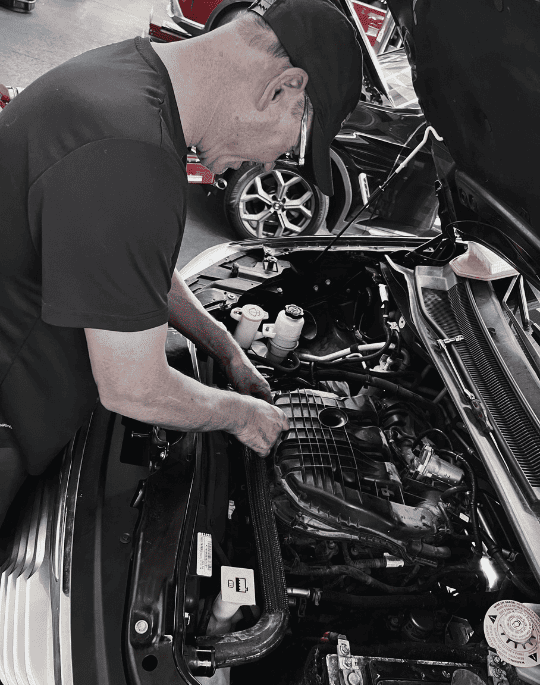
The engine is one of the most expensive systems to repair. A pre-purchase inspection checks for oil leaks, coolant leaks, worn belts, damaged hoses, overheating evidence, and poor fluid condition.
During a cold start and test drive, the mechanic may notice:
- Ticking, knocking, or rattling noises
- Rough idle or hard starting
- Blue, white, or excessive exhaust smoke
- Low oil or coolant levels
- Milky or foamy oil
- Signs of previous overheating
A diagnostic scan can also identify stored trouble codes or engine misfires. Meineke’s auto diagnostics service uses scan data along with hands-on inspection. A code alone does not always identify the failed part, so proper diagnosis matters.
4. Transmission and Drivetrain Faults
Transmission repairs can quickly change an affordable used car into an expensive purchase. During the road test, an experienced mechanic watches for delayed engagement, slipping, jerking, hard shifts, unusual noises, or shuddering.
The inspection also checks for transmission fluid leaks and signs of overheating or contamination. On all-wheel-drive and four-wheel-drive vehicles, the mechanic can inspect additional drivetrain components, including axles, driveshafts, differentials, and transfer-case areas.
Do not accept “it just needs a fluid change” without a proper diagnosis. A fluid service may help some vehicles, but it will not repair worn internal components.
5. Brake Wear and Safety Concerns
A seller may tell you that the brakes are “fine” because the vehicle stops. That does not tell you how much life remains in the pads, rotors, drums, calipers, or brake lines.
A pre-purchase inspection checks brake thickness, rotor condition, hydraulic components, warning lights, and pedal feel. During the test drive, the mechanic looks for pulling, vibration, squealing, grinding, or a soft pedal.
Ask the shop to separate urgent brake repairs from normal wear. Replacing brake pads soon is different from discovering damaged rotors, leaking brake fluid, or a failing master cylinder. Review our brake services for more information about common brake concerns.
6. Worn Suspension, Steering, or Alignment Components
Fresno roads, potholes, curbs, and years of driving can wear out shocks, struts, control arms, ball joints, tie rods, and bushings. These parts affect comfort, tire life, handling, and safety.
During the inspection, the mechanic checks for looseness, leaking shocks, damaged boots, clunking noises, uneven ride height, and alignment problems. The road test may reveal wandering, bouncing, steering vibration, or pulling.
Do not ignore a car that feels loose or unstable. Suspension problems may start as a comfort issue but become more serious when you need to brake or avoid an obstacle.

7. Unsafe or Expensive Tire and Wheel Problems
Tires tell you a lot about a vehicle’s maintenance history. An inspection checks tread depth, tire age, sidewall damage, uneven wear, mismatched tires, bent wheels, and incorrect tire sizes.
Uneven wear can point to more than a tire problem. It may indicate poor alignment, worn suspension parts, a bent wheel, or previous collision damage. Replacing four tires shortly after buying a car can also add a significant cost to your budget.
Ask for the condition of the spare tire, jack, and tire-pressure monitoring system. Families and first-time buyers should make sure the vehicle is ready for daily commuting before taking it home.
8. Electrical, Lighting, and Warning-Light Issues
Modern used cars rely on many electronic systems. A pre-purchase inspection tests more than whether the engine starts.
The mechanic can check:
- Check-engine, ABS, airbag, and other warning lights
- Headlights, brake lights, turn signals, and hazard lights
- Windows, locks, mirrors, and wipers
- Backup camera, radio, Bluetooth, and USB ports
- Battery condition and charging system
- Dashboard warning-light operation
Make sure warning lights illuminate briefly when you turn the key or press the start button, then go out after the engine starts. A warning light that never appears may have been disabled or concealed.
9. Air Conditioning, Cooling, and Comfort Systems
Fresno summers are hard on air-conditioning systems and cooling components. Test the A/C, heater, blower speeds, defroster, and temperature controls before you buy.
A mechanic can identify weak airflow, warm air, compressor noise, refrigerant leaks, cooling-fan problems, and signs of an overheating system. A failing A/C compressor or radiator may not be obvious during a short drive, especially if the seller tested the car early in the morning.
Check the cooling system carefully. A vehicle that runs hot in traffic can leave you stranded and cause severe engine damage.
10. VIN, Mileage, Title, Recall, and Maintenance Red Flags
A mechanic’s inspection focuses on the vehicle’s physical condition. The history report and paperwork help verify whether the story matches the car.
Meineke Fresno’s CARFAX partnership adds an important transparency layer to the buying process. Use the available vehicle history information to review:
- Reported accidents and damage
- Title brands, including salvage, rebuilt, flood, or lemon history
- Mileage records and possible odometer inconsistencies
- Reported service and ownership history
- Total-loss or insurance records
Cross-check the VIN on the dashboard, door-jamb label, title, registration, and history report. Any mismatch deserves an explanation before you proceed.
Also search the VIN through the National Highway Traffic Safety Administration recall tool. NHTSA explains that its VIN search can show unrepaired safety recalls, although it may not display every recently announced recall or every non-safety service campaign.

What a Pre-Purchase Inspection Does Not Do
An inspection reduces risk, but it cannot predict every future repair. No mechanic can guarantee that a used car will never need service. A careful inspection also cannot replace a title review, test drive, vehicle history report, or emissions documentation.
Use all of these steps together:
- Review the listing and ask the seller for the VIN.
- Check the CARFAX report and title status.
- Test-drive the vehicle under different conditions.
- Bring it to an independent mechanic in Fresno.
- Review the inspection photos and findings.
- Ask questions before approving any repair.
- Use documented problems to negotiate or walk away.
Choose Transparency Before You Choose the Car
The right Fresno auto repair shop should help you make an informed decision, not pressure you into buying services you do not need. At Meineke Car Care Center, our certified team brings more than 45 years of combined experience and has repaired over 10,000 vehicles. We serve all makes and models, including classic cars.
Our digital inspection process can provide real-time updates, photos, and repair information on your phone. For ongoing ownership, our free eInspection with every oil change helps you track developing concerns before they become major repairs. We explain the difference between immediate safety issues, recommended maintenance, and items that can wait.
If you are comparing Fresno auto repair shops for a used-car inspection, contact Meineke Fresno or book an appointment before you buy. Get the facts, review the evidence, and make your next vehicle decision with confidence.
